Real Estate in the Dutch Caribbean European Precision Meets Island Opportunity
By Publisher Ray Carmen
The Dutch Caribbean is often described as the most stable, secure, and quietly luxurious corner of the Caribbean investment world. With strong governance, favorable tax environments, and Euro-Caribbean culture, this region offers a blend of tropical living and Dutch order rarely found elsewhere.
This article explores the three main real estate markets in the Dutch Caribbean: Curaçao, Aruba, and Sint Maarten/Bonaire — each offering different levels of accessibility, lifestyle, and returns.
Curaçao: Affordable Elegance with Room to Grow
Part of the Kingdom of the Netherlands, Curaçao has become a darling for European investors seeking vacation homes, Airbnb income, and capital appreciation in a politically stable setting.
Why Invest Here?
100% foreign ownership allowed
No restrictions on beachfront property
Property titles are clean and registered under Dutch civil law
Direct flights from the U.S. and Europe
Hot Areas:
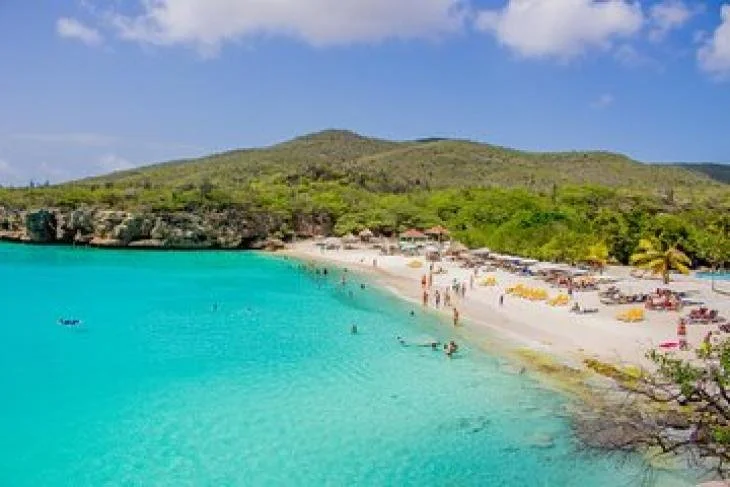
Jan Thiel & Mambo Beach: Ideal for vacation rentals
Pietermaai: A revitalized historic district with luxury boutique appeal
Westpunt: Affordable land and eco-investment opportunities
Market Snapshot:
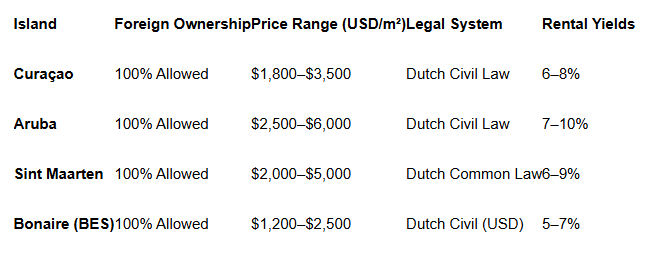
Prices: $1,800–$3,500 USD per m² for developed properties
Rental Yields: 6–8% for short-term vacation homes
Currency: Netherlands Antillean Guilder (pegged to USD)
“Curaçao has what savvy investors crave: transparency, growth potential, and year-round rental demand,” says Willem van Dijk, a property consultant based in Willemstad.
Aruba: Small Island, Big Investment Energy
With its turquoise waters and ultra-consistent tourism figures, Aruba is arguably the most polished and U.S.-friendly Dutch island. Though smaller than Curaçao, it punches above its weight in terms of luxury property and occupancy rates.
Why Invest Here?
Highly developed infrastructure
Direct air links to major U.S. and European cities
Strong rule of law under Dutch governance
High tourist return rate = reliable rental income
Hot Areas:
Eagle Beach & Palm Beach: Condos and villas with premium nightly rates
Noord: A top Airbnb zone with long-term upside
Malmok: Luxury estates in a calm, upscale setting
Market Snapshot:
Prices: $2,500–$6,000 USD per m² in premium zones
Rental Yields: 7–10%, especially in peak season
Currency: Aruban Florin (also pegged to USD)
“If you’re targeting affluent North American tourists, Aruba delivers year-round,” notes Sandra Cruz, an investment property manager in Oranjestad.
Sint Maarten, Bonaire & the BES Islands: Boutique Options
Sint Maarten (Dutch Side):
A split island (Dutch/French), Sint Maarten’s Dutch side is vibrant and well-regulated
Full foreign ownership, active short-term rental scene
Popular among yacht owners and high-net-worth travelers
Prices: $2,000–$5,000 USD per m²
Rental Yields: 6–9% depending on location
Bonus: No property tax for individuals in many cases
Bonaire (BES Islands):
Eco-focused, slow-paced, and UNESCO marine reserve protected
Ideal for boutique hotels, diving lodges, or off-grid luxury retreats
Prices: $1,200–$2,500 USD per m²
Target Investor: Sustainability-minded developers or lifestyle buyers
Pro Tip: The BES islands (Bonaire, Sint Eustatius, Saba) are technically special municipalities of the Netherlands and operate on the U.S. dollar — no currency risk.
Comparative Snapshot
Final Thoughts
If you’re looking for:
Transparency and legal reliability
Access to the U.S. and EU tourism markets
Property ownership under Dutch law
… then the Dutch Caribbean is a low-drama, high-confidence choice.
Curaçao is best for value-driven investors and mid-market vacation rentals.
Aruba suits luxury property seekers and short-term rental pros.
Sint Maarten and Bonaire are perfect for niche investors with an eye for character and community.