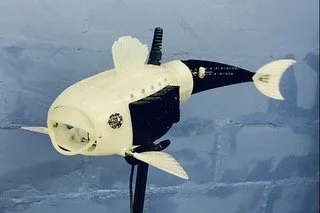
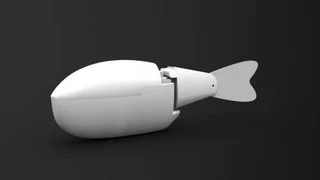
Designed to mimic the movement of real fish, the robot glides silently through water, detecting and ingesting plastic debris. Inside the device, the material is broken down and processed to generate usable power, allowing the robot to continue operating without external charging or fuel.
The innovation lies not only in what it removes — but in how it sustains itself.
Unlike large-scale ocean cleanup vessels or net systems that require manpower and constant maintenance, this robotic fish is engineered for autonomous operation. Deployed individually or in coordinated swarms, such machines could patrol rivers, harbours, coastlines and coral reef systems — areas where plastic accumulation is at its worst.
The environmental implications are profound.
Microplastics are now found in marine ecosystems, seafood, and even human bloodstreams. Traditional cleanup efforts often struggle to capture smaller fragments without disturbing fragile habitats. A fleet of intelligent, self-powered robotic fish could operate discreetly beneath the surface, targeting waste without disrupting marine life.
Beyond the engineering achievement, this invention represents something larger: a shift in mindset.
For decades, technology has often been blamed for accelerating environmental damage. This robot fish reverses that narrative. It demonstrates how innovation, guided by environmental conscience, can become a restorative force rather than a destructive one.
It is youth-driven ingenuity meeting global necessity.
The robot fish does not roar. It does not pollute. It does not demand fossil fuels.
It simply swims — and heals.