
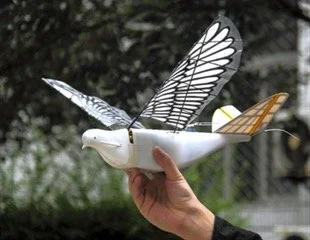
China’s Bird-Like Drone That Blends Into the Sky
By Publisher Ray Carmen
In a remarkable fusion of nature and technology, engineers in China have developed a drone that looks and moves almost exactly like a real bird. The innovation, often described as a bionic or ornithopter drone, flaps its wings, glides through the air and blends seamlessly into the natural environment , making it nearly indistinguishable from the birds flying around it.
The concept may sound like something from a science-fiction film, yet it represents a rapidly evolving field of robotics known as bio-inspired engineering, where machines are designed to imitate living creatures.
Flying Under the Radar
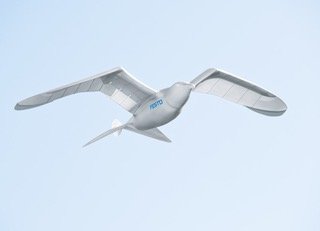
Unlike conventional drones with propellers and a distinct mechanical sound, this new design mimics the natural wing-flapping motion of birds. The result is a flying machine that moves gracefully through the air, creating the illusion of wildlife rather than technology.
Because it resembles a bird in both appearance and flight pattern, the drone can operate discreetly in environments where traditional drones would immediately attract attention. Engineers say this type of design can also improve aerodynamics and energy efficiency.
Technology Inspired by Nature
Bird-like drones, also known as ornithopters, are not entirely new, but recent advances in materials, miniaturized electronics, and artificial intelligence have made them far more sophisticated.
Key features typically include:
Flapping wings powered by lightweight motors
Advanced stabilisation systems that replicate natural flight
High-definition cameras and sensors
Autonomous navigation technology